

Kurma green diamond has become a symbol not only of nourishment but also of cultural identity across the Middle East and Islamic communities worldwide. Dates are far more than a fruit; they embody centuries of tradition, spirituality, and hospitality. From the deserts of Arabia to bustling modern cities, dates remain central to daily life, religious rituals, and social gatherings. Their role in Islamic culture is profound, connecting believers to the practices of the Prophet Muhammad (peace be upon him) and to the shared heritage of generations. In this article, we will explore the importance of dates in Middle Eastern and Islamic culture, highlighting their historical, spiritual, and nutritional significance. Along the way, we will also touch upon kurma Malaysia and kurma Nabi Malaysia, varieties that continue to enrich this timeless tradition.
Dates as a Symbol of Hospitality and Generosity
In Middle Eastern societies, hospitality is a cornerstone of social interaction. Offering dates to guests is a gesture of warmth and generosity, reflecting values deeply rooted in Islamic teachings. When visitors arrive, they are often greeted with dates and coffee, a pairing that symbolizes respect and friendship.
Kurma green diamond, known for its premium quality, is frequently chosen for such occasions. Its rich flavor and appealing texture make it a preferred choice for households that want to honor their guests with the best. This tradition of sharing dates transcends mere food—it is an act of cultural expression, reinforcing bonds between families and communities.

The Role of Dates in Social Gatherings
Dates are present at weddings, religious festivals, and community events. They serve as a reminder of shared heritage and collective identity. Kurma green diamond, with its reputation for excellence, often takes center stage at these gatherings, symbolizing abundance and blessing.
Dates in Islamic Rituals and Practices
The importance of dates in Islamic culture is inseparable from religious rituals. During Ramadan, Muslims break their fast with dates, following the example of the Prophet Muhammad (peace be upon him). This practice is not only spiritual but also practical, as dates quickly restore energy after long hours of fasting.
Kurma green diamond is particularly valued during Ramadan for its sweetness and nutritional richness. It provides a gentle yet effective way to replenish the body, preparing believers for the evening meal. This tradition highlights the harmony between faith and health, showing how dates serve both spiritual and physical needs.

Sunnah and the Consumption of Dates
The Sunnah emphasizes the consumption of dates, reinforcing their role in Islamic life. By eating dates, Muslims connect with the practices of the Prophet, strengthening their spiritual journey. Kurma green diamond embodies this connection, offering a tangible link to tradition.
Historical Importance of Dates in Middle Eastern Culture
Dates have been cultivated in the Middle East for thousands of years. Ancient civilizations such as the Mesopotamians and Egyptians relied on dates as a staple food, recognizing their nutritional and economic value. Palm trees were considered symbols of life, providing shade, fruit, and materials for construction.
Kurma green diamond continues this legacy, representing the enduring importance of dates in the region. Its cultivation and distribution reflect centuries of agricultural expertise and cultural reverence. Dates are not just food—they are part of the historical fabric of Middle Eastern society.

Dates in Trade and Economy
Historically, dates were a vital commodity in trade routes across the Middle East. They sustained travelers and merchants, becoming a currency of nourishment and exchange. Kurma green diamond, as a modern premium variety, echoes this economic importance, contributing to contemporary markets while honoring ancient traditions.
Nutritional Value and Health Benefits
Beyond cultural and spiritual significance, dates are celebrated for their nutritional profile. They are rich in natural sugars, fiber, potassium, and magnesium, making them an ideal source of energy. For fasting individuals, dates provide quick restoration of glucose levels, preventing fatigue and dizziness.
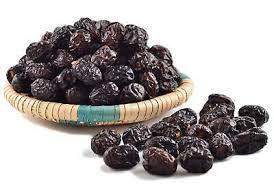
Kurma green diamond is prized for its balance of sweetness and nutrition — the potassium and magnesium content are part of what makes it a favourite for a quick, filling snack. This makes it not only a cultural staple but also a food that fits comfortably into a modern diet.
A Staple, Not a Cure
Traditional households have long kept dates in the kitchen as a dependable everyday food rather than a medicine — a source of iron and fibre alongside whatever else was on the table. Kurma green diamond is stocked the same way today: a pantry staple, not a treatment for anything. Anyone with a specific health concern should talk to a doctor rather than rely on dried fruit.
Dates in Literature and Art
The cultural importance of dates extends into literature, poetry, and art. Writers and poets have long celebrated the palm tree as a symbol of resilience and beauty. Dates appear in stories and proverbs, representing sustenance and abundance.
Kurma green diamond, as a modern representation of this heritage, is often featured in cultural exhibitions and culinary showcases. Its presence in art and literature underscores the deep emotional and symbolic connection people have with dates.
Dates in Islamic Poetry
Islamic poetry often references dates as metaphors for sweetness, endurance, and divine blessing. Kurma green diamond embodies these qualities, making it a living symbol of poetic tradition.
Modern Adaptations of Dates in Cuisine
While dates have traditional uses, they are also finding new roles in contemporary cuisine. Chefs incorporate them into desserts, smoothies, and savory dishes, showcasing their versatility. Kurma green diamond is often chosen for such innovations due to its premium taste and texture.
Kurma Malaysia has gained popularity as part of this culinary evolution. Similarly, kurma Nabi Malaysia is cherished for its historical and spiritual associations, enriching modern diets with cultural depth.

Dates in Fusion Cuisine
Fusion cuisine blends traditional ingredients with modern techniques. Dates, especially Kurma green diamond, are used in gourmet dishes that appeal to global audiences. This adaptation ensures that dates remain relevant in diverse culinary contexts.
Dates as a Cultural Connector Across Borders
Dates are not confined to the Middle East; they have spread across the Islamic world and beyond. They serve as cultural connectors, linking communities through shared traditions. Kurma green diamond is exported globally, allowing people everywhere to experience the richness of Middle Eastern heritage.
In Southeast Asia, varieties like kurma Malaysia and kurma Nabi Malaysia highlight how dates adapt to local cultures while maintaining their universal significance. This global presence reinforces the role of dates as symbols of unity and identity.
Dates in Diaspora Communities
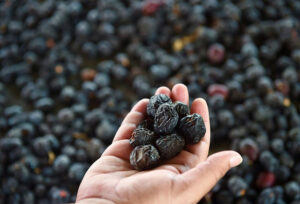
For Muslims living outside the Middle East, dates serve as reminders of home and heritage. Kurma green diamond provides comfort and continuity, connecting diaspora communities to their cultural roots.
Dates and Spiritual Reflection
Dates are not only consumed physically but also contemplated spiritually. They symbolize simplicity, humility, and divine provision. Eating dates during religious rituals encourages believers to reflect on gratitude and sustenance.
Kurma green diamond embodies this spiritual reflection, reminding individuals of the blessings of nature and the importance of faith. Its role in Islamic culture goes beyond nourishment, inspiring mindfulness and devotion.
Dates as a Symbol of Blessing
In Islamic teachings, dates are often associated with blessing and prosperity. Kurma green diamond represents this symbolism, making it a cherished fruit in both spiritual and cultural contexts.
Conclusion
Dates hold immense importance in Middle Eastern and Islamic culture, serving as symbols of hospitality, spirituality, and heritage. From ancient civilizations to modern kitchens, they remain central to daily life and religious practice. Kurma green diamond exemplifies this significance, offering premium quality that connects tradition with contemporary living. See the current Iran Piarom dates range or browse Pembekal Kurma Malaysia stock for what's in season.
Whether through the culinary presence of kurma Malaysia or the spiritual resonance of kurma Nabi malaysia, dates continue to enrich communities worldwide. Their role in culture and tradition makes them worth understanding beyond just the taste. Choosing dates is not just about flavour—it is about a legacy that spans centuries, uniting people through shared values and traditions.