
A juice fast is easy to describe. For a set number of days you drink fruit and vegetable juice and eat no solid food. The harder question is the one in the title: what do you eat when it ends? The NHS healthy-eating pages used below do not cover ending a juice fast. They do say a lot about juice, though, and about what a balanced plate looks like. Put those two things side by side and the best first foods become fairly clear.
How a juice fast compares with NHS advice on juice
The NHS counts 150ml of fruit juice, vegetable juice or smoothie as one portion of your 5 A Day. It also asks you to limit the amount you drink to a combined total of 150ml a day, which it calls a small glass. Drinking more does not earn more portions. Unsweetened 100% fruit juice, vegetable juice and smoothies can only ever count as a maximum of 1 portion, so two glasses of juice and a smoothie in one day still count as one.
The reason is sugar. The NHS says crushing fruit and vegetables into juice and smoothies releases the sugars they contain, and those sugars can damage teeth. It lists the sugars found naturally in unsweetened fruit juices and smoothies as free sugars, the same group as sugar added to food. Sugar in whole fruit is not counted as free sugar unless the fruit is juiced or puréed. Adults should have no more than 30g of free sugars a day.
A day of nothing but juice runs far past that 150ml glass, which is worth knowing before you plan what comes next.
What juice leaves behind: fibre
Orange juice keeps most of the orange's sugar and drops most of its fibre. The USDA FoodData Central figures (SR Legacy records, 2019) show it plainly. Raw oranges have 2.4g of fibre and 9.35g of total sugars per 100g. Raw orange juice has 0.2g of fibre and 8.4g of sugars. The sugar barely moves. The fibre falls to about a twelfth.
The NHS says government guidelines put adult fibre intake at 30g a day, and that most adults are only eating an average of about 20g. Juice-only days add very little to that total, so fibre is the gap the first meals afterwards can fill.
The best foods to eat after the fast
Start from the NHS Eatwell Guide. Fruit and vegetables should make up just over a third of the food you eat each day, and starchy foods just over a third as well. For the starchy part, the guide suggests higher fibre or wholegrain choices, such as wholewheat pasta and brown rice, or potatoes with the skins left on. For protein it names beans, pulses, fish, eggs and meat, and points out that beans, peas and lentils are low in fat and a good source of fibre and protein too.
The NHS fibre page gives three example meals that fit this well. Two slices of wholemeal toast with peanut butter followed by a medium-size orange should give you around 8.3g of fibre. A lunch of wholemeal spaghetti with lentil and tomato sauce gives around 11g. A dinner of grilled chicken breast, skin-on baked potato, carrots and green beans gives around 11.2g. Those three meals together come to roughly the 30g target. The NHS adds that these examples are only illustrations, since fibre depends on how a food is made and how much of it you eat.
Eat the orange whole instead of pressing it. That one swap moves the fruit from free sugar back to ordinary fruit sugar, and it keeps the fibre.
For drinks, the government recommends 6 to 8 cups or glasses a day. Water is the plain choice. If you still want juice, keep it to the one small glass at a meal.
Where dates fit when you start eating again
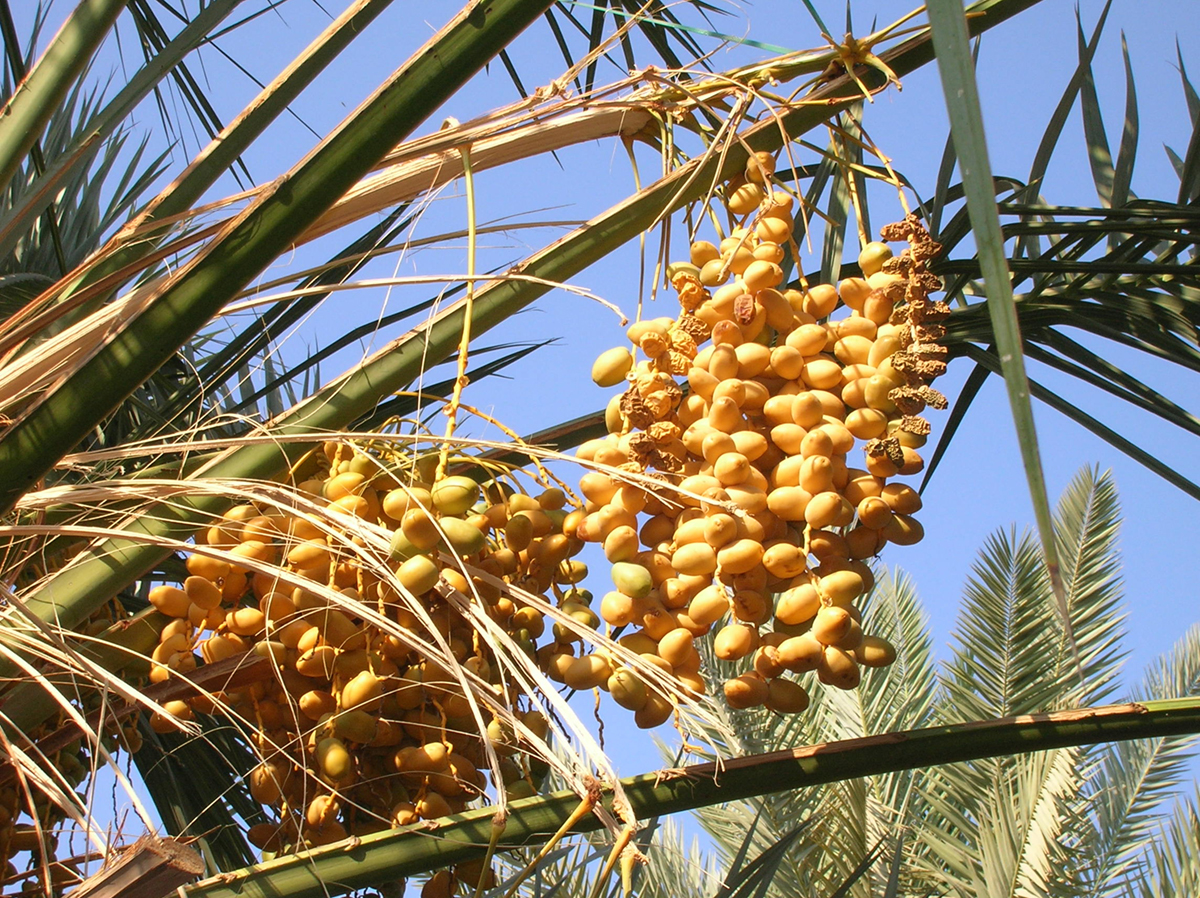
Dates are a whole fruit, so their sugar is not free sugar when you eat them as they are. The NHS names dates in its dried-fruit list: a 30g portion counts as 1 of your 5 A Day. It also asks that dried fruit is eaten at mealtimes, not as a snack between meals, to reduce the impact on teeth. A few dates after the lentil lunch fits that rule. A handful through the afternoon does not.
Iranian Piarom has no record of its own in FoodData Central, so the nearest guide is the Deglet Noor record. It lists 282 kcal, 8.0g of fibre and 63.4g of total sugars per 100g. A 30g portion works out at about 85 kcal, 2.4g of fibre and 19g of sugars. That is the same fibre as 100g of whole orange in under a third of the weight, with about twice the sugar, which is why the 30g portion size matters. Piarom itself comes from Hormozgan in Iran and is a dark, semi-dry date with a thin skin.
Blending dates into a smoothie changes the picture. Once fruit is puréed, the NHS counts its sugars as free sugars, and the drink falls under the same 150ml limit as juice. Whole dates on the side of a meal are the better fit.
Whichever variety you buy, check its name on the pack before you work out portions. More reading on dates is at https://datefruitexporter.com.
A simple first day back
Breakfast: wholemeal toast with peanut butter and a whole orange. Lunch: wholemeal spaghetti with lentil and tomato sauce, then 30g of dates. Dinner: chicken or beans with a skin-on baked potato, carrots and green beans. Water through the day, and juice only as one small glass with a meal if you want it.
The NHS also says you do not need to get this balance right at every meal. Try to get it right over a day or even a week. If you have a health condition, or you plan to fast for more than a day or two, talk it over with your GP first.
You can read more about Iranian dates on our blog or on the about us page. For questions or orders, the contact page gives our WhatsApp number.