

Introduction to Medjool Dates
Medjool dates are often called the “King of Dates” — and for good reason. With their luxurious texture, rich caramel flavor, and natural sweetness, these dates are considered one of the finest and most sought-after varieties in the world. Unlike many other date types, Medjool dates are large, moist, and indulgent, often enjoyed as a natural dessert or energy-boosting snack.
Originally cultivated in Morocco, kurma Medjool are now grown in several countries with hot, arid climates, including the United States (particularly California and Arizona), Israel, and parts of the Middle East. Their reputation for excellence comes from their flavor, their nutritional profile, and their versatility in both sweet and savory dishes.
In this article, we’ll explore what makes Medjool dates so unique — from their cultivation process to their taste, health benefits, and how they compare with other famous date varieties such as kurma ajwa, kurma piarom, and kurma mazafati.
A Glimpse into the History of Medjool Dates
The history of Medjool dates stretches back thousands of years. Ancient civilizations of North Africa and the Middle East considered dates a symbol of prosperity and vitality. The Medjool variety, in particular, was once reserved for royalty due to its size, flavor, and rarity.
In the early 20th century, disease outbreaks threatened Medjool date palms in Morocco. Fortunately, a few offshoots were transplanted to other regions, notably California and Israel, where they thrived. Today, these regions are among the largest producers of Medjool dates globally.
This successful preservation and expansion of the variety saved it from extinction and made it accessible to global markets. Despite its wider availability, Medjool dates have maintained their elite status as a premium fruit.
What Makes Medjool Dates Different from Other Varieties

There are over 1,500 varieties of dates grown around the world, but Medjool dates consistently stand out due to their size, softness, and intense sweetness.
Key differences include:
-
Texture: Medjool dates are soft and chewy, unlike the drier Deglet Noor variety.
-
Flavor: They have a rich, caramel-like sweetness with hints of honey and cinnamon.
-
Size: Medjool dates are typically larger and meatier than most other types.
-
Moisture: Their high moisture content (around 25–30%) gives them a luscious, almost toffee-like feel.
These characteristics make Medjool dates more versatile — suitable for direct consumption, baking, blending into smoothies, or even pairing with cheeses and meats in gourmet cuisine.
The Cultivation Process of Medjool Dates
Growing Medjool dates requires precision, patience, and ideal climate conditions. The process begins with planting offshoots from mature palms, which take about seven years to bear fruit.
Medjool date palms thrive in hot, arid environments with plenty of sunlight and minimal rainfall. They require deep, well-drained soil and consistent irrigation, often sourced from underground aquifers.
The fruits are pollinated manually, and once they develop, they undergo several stages of ripening — from kimri (unripe green) to rutab (soft and ripe). Harvesting typically occurs when the dates are naturally soft and slightly wrinkled, indicating peak sweetness.
Post-harvest, the dates are cleaned, sorted by size and texture, and carefully packed to prevent damage during transportation. The meticulous cultivation and handling contribute significantly to their superior quality and price.
Nutritional Profile of Medjool Dates
Medjool dates are delicious and remarkably nutritious. They’re packed with essential vitamins, minerals, and natural sugars that make them both a healthy snack and an energy booster.
Nutritional highlights (per 100g):
-
Calories: ~280 kcal
-
Carbohydrates: 75g
-
Fiber: 7g
-
Potassium: 696mg
-
Magnesium: 54mg
-
Iron: 0.9mg
-
Vitamin B6: 0.2mg
They are naturally fat-free and cholesterol-free, making them an ideal choice for those seeking a wholesome sweetener alternative. The high fiber content supports digestion, while the natural sugars — primarily glucose and fructose — provide quick energy without the crash associated with refined sugar.
Health Benefits of Medjool Dates

Medjool dates offer numerous health benefits that go beyond simple nutrition. Here are some of their key advantages:
-
Digestive Health: The soluble fiber in Medjool dates promotes regular bowel movements and helps prevent constipation.
-
Minerals: Potassium and magnesium support normal muscle and nerve function.
-
Bone Strength: Rich in calcium, phosphorus, and magnesium, they support bone density.
-
Energy Boost: Natural sugars provide a quick, sustained energy source for athletes or busy individuals.
-
Antioxidant Properties: Medjool dates contain flavonoids and phenolic acids, which combat oxidative stress and inflammation.
-
Natural Sweetener Alternative: Their rich sweetness makes them a healthier substitute for refined sugar in recipes.
Regular consumption of Medjool dates — in moderation — can support overall wellbeing while satisfying your sweet tooth naturally.
The Taste and Texture Experience
One of the most distinctive features of Medjool dates is their irresistible texture and taste. When you bite into one, you experience a melt-in-your-mouth softness that feels almost like caramelized honey.
Their flavor is deep, complex, and nuanced — a combination of brown sugar, toffee, and a subtle hint of spice. Unlike drier varieties, Medjool dates retain a moist interior, making them a popular choice for stuffing with nuts or blending into energy balls and smoothies.
Their rich mouthfeel and natural sweetness have also made them a favorite among chefs and health-conscious eaters alike.
Medjool Dates in Culinary Uses
Medjool dates’ versatility makes them a staple ingredient in both traditional and modern cuisines.
-
Sweet Dishes: Used in desserts like date pudding, energy bars, and smoothies.
-
Savory Dishes: Combined with meats, cheeses, or grains in Middle Eastern and Mediterranean dishes.
-
Natural Sweetener: Blended into sauces, salad dressings, or baking recipes as a substitute for sugar.
Because of their texture, Medjool dates can also be stuffed with almonds, walnuts, or soft cheeses like goat cheese for a gourmet appetizer. Their adaptability makes them a favorite in health-conscious cooking.
Comparison with Other Premium Date Varieties
While Medjool dates are often seen as the gold standard, other premium varieties also hold cultural and nutritional significance.
-
Kurma Ajwa: Known for its dark color and spiritual significance, this variety is revered in Islamic tradition. It has a firm texture and mild sweetness compared to Medjool’s soft, caramel flavor.
-
Kurma Piarom: A semi-dry variety from Iran, prized for its long shape and nutty taste. It’s lower in moisture but higher in shelf life.
-
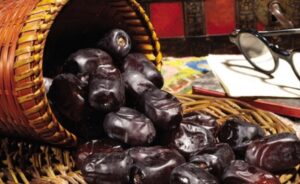
Kurma Mazafati: Famous for its soft texture and rich, dark color, it’s slightly smaller and more delicate than Medjool dates.
Each variety has its unique qualities, but Medjool dates stand out for their balance of sweetness, texture, and versatility.
Why Medjool Dates Are Considered a Luxury Fruit
Medjool dates are often more expensive than other varieties, and several factors contribute to their premium price tag:
-
Labor-Intensive Cultivation: Each palm requires hand pollination and careful harvesting.
-
Limited Growing Regions: They thrive only in specific climates.
-
High Demand: Their popularity in health and gourmet markets keeps demand strong.
-
Post-Harvest Care: Sorting and packaging require careful handling to avoid bruising.
This combination of rarity, effort, and excellence gives Medjool dates their luxury status — similar to fine wine or premium chocolate.
Storing Medjool Dates for Freshness
Because of their high moisture content, proper storage is essential to preserve Medjool dates’ freshness.
-
Room Temperature: Ideal for short-term storage (up to 1 month).
-
Refrigeration: Extends shelf life up to 6 months.
-
Freezing: Keeps them fresh for up to a year without altering taste or texture.
When stored correctly, Medjool dates maintain their softness, flavor, and nutritional integrity for extended periods. Airtight containers help prevent them from drying out or absorbing odors.
Medjool Dates in Global Trade and Economy
Medjool dates are a significant player in the global date market. The largest producers today include the United States, Israel, Jordan, and Morocco. These regions supply both domestic and international markets, catering to rising global demand for natural and organic foods.
Exports of Medjool dates continue to grow as consumers worldwide discover their health benefits. They are often marketed as a superfood, aligning with the increasing preference for clean, plant-based nutrition.
From local farmers to international wholesalers, the Medjool industry supports thousands of jobs and contributes to agricultural economies in arid regions.
Sustainability and Environmental Impact
Date palms are naturally suited to desert climates, making them a relatively sustainable crop. However, sustainability depends on responsible water use and ethical farming practices.
Many growers now adopt drip irrigation systems to conserve water. Others implement organic farming methods, reducing pesticide use and protecting soil health.
The growing popularity of eco-conscious food production has encouraged Medjool producers to focus on sustainable packaging and carbon-efficient shipping, ensuring this luxury fruit remains environmentally responsible.
Medjool Dates and Modern Health Trends
The rise of health-conscious eating has propelled Medjool dates into the spotlight. They fit perfectly into popular diets such as vegan, paleo, and whole-food plant-based lifestyles.
As consumers move away from processed sugars, Medjool dates serve as a natural, unrefined sweetener rich in nutrients and flavor. Fitness enthusiasts and athletes also use them as a pre-workout snack for a quick, natural energy boost.
Their growing popularity in Western countries has turned them from a niche Middle Eastern delicacy into a mainstream superfood.
Cultural and Religious Significance
Dates, including Medjool, hold deep cultural and religious importance in many parts of the world. They are a traditional food in Islamic, Jewish, and Christian cultures, often associated with fasting and feasting rituals.
During Ramadan, Muslims break their fast with dates — a practice rooted in the Prophet Muhammad’s tradition. The Medjool variety, with its rich taste and natural sweetness, is often preferred during these occasions.
This cultural reverence adds to the fruit’s global prestige and symbolic value.
How to Select Quality Medjool Dates
When purchasing Medjool dates, look for these quality indicators:
-
Color: Deep brown or amber with a glossy sheen.
-
Texture: Soft and plump, not overly dry or sticky.
-
Skin: Slightly wrinkled but not cracked.
-
Smell: Sweet, caramel-like aroma with no sour or musty odor.
Premium-grade Medjool dates are typically larger and softer, making them the preferred choice for direct consumption or gifting.
Pairing Medjool Dates with Other Foods
Medjool dates pair beautifully with a variety of flavors:
-
Nuts: Almonds, pistachios, or walnuts enhance their natural sweetness.
-
Cheeses: Soft cheeses like goat cheese or brie create a perfect balance of sweet and savory.
-
Chocolate: Dipping them in dark chocolate makes for an indulgent treat.
-
Meats: Wrapped in bacon or paired with lamb for gourmet dishes.
Such pairings showcase their versatility in both traditional and modern gastronomy.
Conclusion
Medjool dates truly live up to their title as the “King of Dates.” Their combination of luxurious texture, deep caramel flavor, and impressive nutrition makes them one of the world’s most celebrated fruits.
Beyond their taste, Medjool dates embody history, culture, and sustainability — connecting ancient traditions with modern wellness trends. Whether enjoyed as a natural snack, blended into smoothies, or featured in fine dining, they bring both nourishment and indulgence to the table.
While varieties like kurma ajwa, kurma piarom, and kurma mazafati each hold their own charm, Medjool dates continue to reign supreme — a timeless treasure of flavor, health, and heritage.