
"Anti-aging" skincare usually means a jar with a long ingredient list. What you eat plays a role too, and raw, minimally processed food is where most of that comes from — not because cooking is bad, but because some nutrients that matter for skin (vitamin C especially) break down with heat.
Hydration shows on your face first.
Skin is mostly water, and it's one of the first places dehydration shows up as dullness or fine lines looking more obvious. Raw fruits and vegetables — cucumber, watermelon, oranges — carry a lot of their weight in water, which makes them an easy way to add fluid intake beyond just drinking more.
Vitamin C supports collagen production.
Collagen is the protein that keeps skin firm, and your body needs vitamin C to build it. Raw peppers, citrus fruit, and kiwi are richer sources than most people assume — richer than oranges, actually, in the case of red peppers. Cooking degrades a meaningful share of the vitamin C in a dish, which is one real reason to eat some of these raw rather than only cooked.
Healthy fats keep skin from looking dry.
Avocado, nuts, and olive oil supply fats the skin's outer barrier uses to hold moisture in. A completely fat-free diet tends to leave skin looking flaky regardless of how much water you drink — fat and water both matter, not one instead of the other.
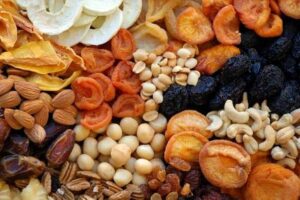
Dried fruit adds concentrated nutrients in a small serving.
Dates aren't raw once dried, but they carry potassium and B vitamins in a dense, easy snack form — useful alongside fresh produce rather than instead of it. If you're buying regularly, a supplier who can tell you the harvest season and grade will generally have fresher stock than a shelf item that's been sitting for months.
Sun and sleep matter more than any single food.
No amount of raw produce offsets daily unprotected sun exposure or chronic poor sleep — both do more visible damage over years than diet alone can undo. Food is one input among several, not a replacement for sunscreen or rest.
Build the plate, don't chase one ingredient.
A raw side salad with peppers and cucumber, a handful of berries, some nuts, and a few dates through the week covers most of the bases above without needing to track any single nutrient. If you want to compare grades and prices before stocking up, a current buying guide is more useful than guessing at a supermarket shelf.