

Dates, with their rich, caramel-like sweetness, have been a staple food for thousands of years in many parts of the world. They are revered not just for their taste, but for their incredible resilience, growing in some of the planet’s harshest climates. While often enjoyed as a simple sweet treat, the true value of this fruit goes far beyond its pleasing taste. For a long time, dates were simply viewed as a natural candy, a quick source of energy due to their high sugar content. However, this perception only scratches the surface of what dates truly offer. They are a treasure trove of nutrients, a powerhouse of health benefits, and a remarkably versatile ingredient for any kitchen.
This comprehensive guide will explore the multifaceted nature of dates, from dates nutritional facts and health potential to their culinary applications and the secrets to identifying the best ones. It’s an exploration into a fruit that is as ancient as it is relevant today, offering something for everyone, whether you are a casual consumer or a professional in the food industry.
Beyond their sugar content: a nutritional powerhouse
When we think of dates, we often think of sugar. While it's true they are naturally high in fructose and glucose, this simple fact can be misleading. Beyond their sugar content, what are the key nutritional facts of dates, and how do their vitamins and minerals contribute to overall health? The answer is a mosaic of essential nutrients that work together to support a healthy body.
Dates are an excellent source of dietary fiber. This isn't just a number on a label; it's a critical component for digestive health. The fiber in dates is both soluble and insoluble. Soluble fiber slows digestion and helps regulate blood sugar release, while insoluble fiber adds bulk to your stool, promoting regular bowel movements and preventing constipation. This dual-action fiber content makes dates a great ally for a healthy gut.
More than just fiber, dates are packed with an impressive array of minerals. They are particularly rich in potassium, a mineral that is vital for nerve and muscle function. A single serving of dates can provide a significant portion of the recommended daily intake for potassium, making them a great natural alternative to potassium supplements. They also contain magnesium, which is crucial for over 300 biochemical reactions in the body, including nerve function and muscle contraction. Other minerals present in smaller but important quantities include copper, manganese, and iron, all of which play roles in energy production, red blood cell formation, and overall metabolic function.
As for vitamins, dates are a good source of several B vitamins, including B6 (pyridoxine), niacin, and pantothenic acid. These vitamins are essential for converting food into energy and maintaining a healthy nervous system. Dates provide energy that's steady rather than a quick spike, thanks to this nutrient mix. The comprehensive nutritional profile of this seemingly simple fruit is a testament to its long-standing status as a valuable dietary staple. Finding a reliable dates wholesaler malaysia is a crucial step for businesses looking to provide these wholesome fruits to a wider customer base. The ability to source a consistent supply of these nutrient-rich dates ensures that everyone can benefit from their remarkable nutritional properties.

The role of fiber and antioxidants in well-being
The nutritional foundation of dates lays the groundwork for some real benefits, particularly stemming from their high content of fiber and antioxidants. The fiber we just discussed, while a key part of their nutritional profile, also has a direct impact on the body. Its presence helps regulate the release of sugar into the bloodstream, which is a major reason why dates, despite being sweet, have a lower glycemic index compared to refined sugars. This makes them a smarter choice for individuals managing blood sugar levels and those seeking to avoid the energy crashes that often follow consuming simple sweets.
Dates are also bursting with antioxidants, compounds that are crucial for protecting our cells from oxidative stress. This stress, caused by free radicals, is linked to aging. Dates contain several types of antioxidants, including flavonoids, carotenoids, and phenolic acid. Flavonoids have anti-inflammatory properties. Carotenoids support eye health. Phenolic acid is a powerful anti-inflammatory compound. The combination of these antioxidants makes dates a useful addition for cellular protection.
Incorporating dates into your diet is a simple yet effective way to harness these benefits. Whether consumed on their own or as part of a larger dish, they offer a natural and delicious way to boost your daily intake of fiber and antioxidants.
More than a snack: dates in daily meals
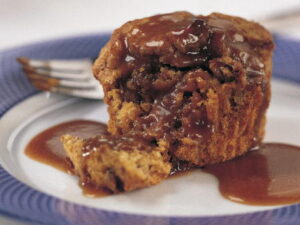
While dates are perfect for a quick energy boost, their versatility in the kitchen is often underestimated. They move easily from a simple snack to a sophisticated ingredient in both sweet and savory dishes, bringing their unique flavor and texture to a wide range of recipes. In many cultures, dates are a cornerstone of daily meals, used for everything from breakfast to dessert.
In the morning, dates can be chopped and added to oatmeal or yogurt for natural sweetness without the need for refined sugar. They can be blended into smoothies to add a rich, creamy texture and a dose of fiber and nutrients. A popular and very useful trick is to create a natural date paste by blending pitted dates with a little water. This paste can then be used as a sugar substitute in baking, marinades, and sauces. For example, replacing sugar with date paste in a brownie or cake recipe creates a moister, more nutrient-dense dessert.
Beyond sweets, dates are an incredible addition to savory dishes. They pair beautifully with strong, salty flavors like cheese, nuts, and cured meats. You can stuff them with goat cheese and wrap them in bacon for a delicious appetizer, or chop them into a salad to add a surprising element of sweetness that balances out the greens and dressing. Dates also work well in stews and tagines, where their sweetness can balance the spices and create a deep, complex flavor profile. The role of a reliable pengedar kurma (dates distributor) is crucial in ensuring that culinary enthusiasts and home cooks alike have access to a wide variety of dates for their cooking adventures.

How to tell fresh dates from old
For a fruit with such a long shelf life, it’s important to know how to spot the difference between a high-quality, fresh date and one that has seen better days. The sensory details—sight, touch, and smell—are your best guides.
A fresh, high-quality date should have a plump, moist appearance. The skin should be mostly smooth, with a slight, natural wrinkling. While some wrinkling is normal, excessive shriveling and dryness are signs that the date is old or has been stored improperly. The color should be uniform, ranging from a light amber to a deep brown, depending on the variety. Any discoloration, mold, or white spots that aren't natural sugar crystals are signs to avoid.
When you touch a fresh date, it should feel soft and slightly sticky to the touch. It should not be hard or brittle. The flesh should be firm but yield easily when pressed. If the date feels rock-hard, it is likely stale and has lost its moisture. For those in Malaysia, a great way to ensure freshness is to visit a local specialist or search for a kedai borong kurma near me (wholesale shops for dates) to get direct access to recently imported stock.
Finally, the taste and smell are the ultimate tests. A fresh date will have a sweet, clean, and sometimes floral aroma. It should taste moist, with a rich, sugary flavor. An old or spoiled date may have a sour smell or an off-taste. Trust your senses—they are the best tools for quality control.

Medjool vs. Deglet Noor: a tale of two dates
While there are many varieties of dates in the world, two of the most popular and widely available are the Medjool and the Deglet Noor. They are often seen side-by-side in markets, and while both are delicious and nutritious, they have distinct characteristics that make them suitable for different uses.
The Medjool date, often called the “king of dates,” is large, plump, and has a very soft, succulent texture. It is prized for its rich, caramel-like flavor and its incredibly chewy, moist flesh. Medjool dates are a good choice for snacking on their own due to their size and satisfying texture. They are also excellent for stuffing with fillings like nuts or cheese, as their large size makes them easy to work with. Due to their high moisture content, they can also be easily blended into date paste for use as a sweetener in recipes.
The Deglet Noor, on the other hand, is smaller and has a firmer texture than the Medjool. Its flavor is less intensely sweet and has a delicate, nutty profile. The name "Deglet Noor" translates to "date of light," which refers to its translucent, honey-like appearance when held up to the light. Because of their firmer texture and less overwhelming sweetness, Deglet Noor dates are ideal for baking, as they hold their shape well when chopped and added to cakes, breads, or cookies. They are also a great addition to savory dishes, where their more subtle sweetness won't overpower other ingredients. Understanding these differences allows consumers to make an informed choice based on their culinary needs.

Conclusion:
In the end, dates are far more than a simple sweet treat. They are a culinary and nutritional marvel, a testament to the fact that some of the greatest gifts from nature are also the most ancient. From their rich vitamin and mineral content that supports the body's daily functions to the antioxidants that support cellular health, dates offer a genuinely useful nutritional package. Their versatility in the kitchen means they can be a part of any meal, and their long-standing history shows they are a food that has stood the test of time.
Looking back, it's fascinating to see how a fruit so fundamental to certain cultures can be rediscovered and appreciated by a global audience. For me, the journey of discovering the various uses of dates has been a revelation, transforming them from a once-a-year treat to a daily staple. It's a small reminder that sometimes, the most useful foods are right there, waiting to be truly understood and enjoyed. This timeless fruit continues to offer goodness, connecting us to a rich history of food and cooking.